
Skip to content
A unified safety and risk intelligence platform, underpinned by trusted standards, rich maritime data and industry expertise, and enhanced by AI-enabled technology.

Latest release
New Class Status Review options
We’re introducing greater flexibility in how Class Status is reviewed as part of dry bulk vetting, supporting faster vetting decisions and giving customers greater choice over the level of review.

A unified safety and risk intelligence platform, underpinned by trusted standards, rich maritime data and industry expertise, and enhanced by AI-enabled technology.
Latest release
From Fragmented Data to Confident Decisions
A Dry Bulk Charterer's Practical Guide to Trusted, Decision-Grade Transparency in Vessel Due Diligence

A unified safety and risk intelligence platform, underpinned by trusted standards, rich maritime data and industry expertise, and enhanced by AI-enabled technology.
Latest Updates
Updated Vetting Baseline Criteria now available
RightShip has updated its Vetting Baseline Criteria to better align with current vetting practice, with targeted changes designed to simplify and clarify how vessel risk is assessed.

A unified safety and risk intelligence platform, underpinned by trusted standards, rich maritime data and industry expertise, and enhanced by AI-enabled technology.

RightShip Vessel Vetting

Vessel Vetting for Safer Charter Selections

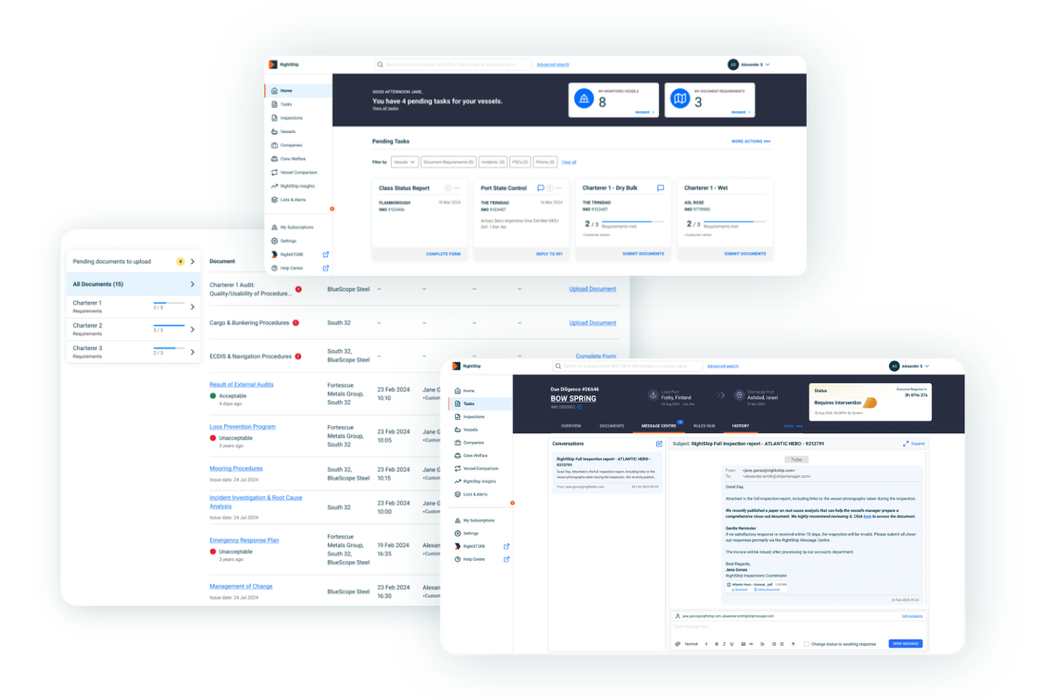
RightShip’s vessel vetting service helps assess the suitability of a nominated ship for safe cargo transportation across dry bulk and tanker sectors. Using our digital platform, you can request a vet, eliminate substandard vessel options, and reduce the likelihood of casualties, cargo damage, costly delays and detentions.

vetting-main2
VETTING-secondary
The Challenge

The Risks of Inadequate Vessel Assurance

Charter Party Risk Exposure Inadequate vessel performance can significantly compromise chartering arrangements. Incidents and PSC detentions introduce financial exposure and operational disruption, with consequential impacts on reliability and counterparty relationships.
Uncertain Pre-Fixture Screening Without a structured, independent vessel vetting, charterers are left relying on incomplete data, inconsistent standards, and limited visibility into vessel safety, sustainability and crew welfare.
Complications of Vetting at Scale Managing vessel approvals is time-consuming and operationally complex. Inconsistent internal processes can create compliance gaps and leave organisations exposed to risk. 
WHY US

Trusted Vessel Vetting for
Reliable Marine Assurance

TOUCH
Grid image Independent Marine Expertise

Our global team of superintendents draw on decades of experience and RightShip’s database to provide clear, unbiased recommendations. 

Grid imageIndependent Marine Expertise

Our global team of superintendents draw on decades of experience and RightShip’s database to provide clear, unbiased recommendations. 

TOUCH
Grid image Strengthen Vessel Assurance

Every RightShip vet is date and time-stamped as an immutable record of due diligence for regulatory scrutiny and commercial accountability. 

Grid imageStrengthen Vessel Assurance

Every RightShip vet is date and time-stamped as an immutable record of due diligence for regulatory scrutiny and commercial accountability. 

TOUCH
Grid image Boost Supply Chain Safety

Each vet checks on linked companies, crew welfare issues, and safety & sustainability metrics to support more transparent supply chains.

Grid imageBoost Supply Chain Safety

Each vet checks on linked companies, crew welfare issues, and safety & sustainability metrics to support more transparent supply chains.

Key Advantages

Bringing Clarity to
Vessel Vetting Processes


vetting1-45

Global Safety and Sustainability Standards

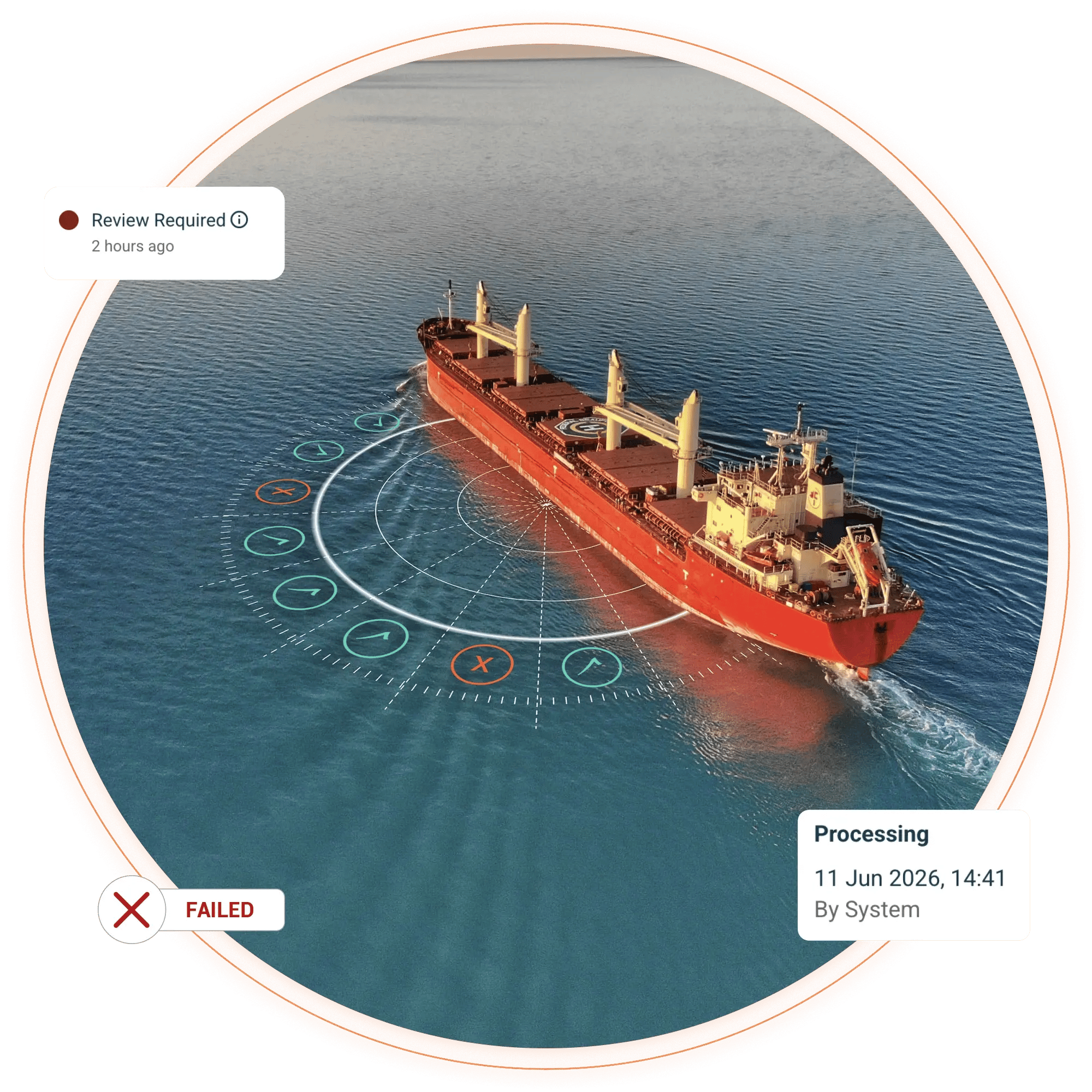
Evaluate vessels against RightShip’s Baseline Vetting Criteria, covering regulatory compliance, safety performance (including PSC and incident records), SIRE/CDI and RightShip inspection reports, and industry best practices, ensuring every decision aligns with your risk profile.

vetting2-46

Tailored Risk Requirements

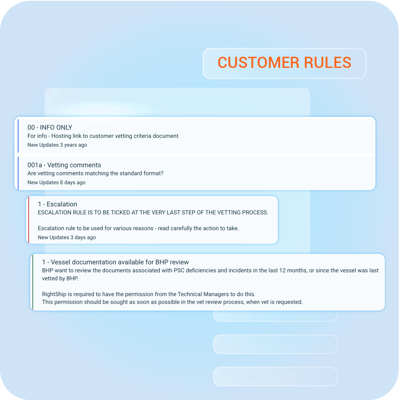
Align vetting criteria to your specific operational and commercial priorities, whether based on safety standards, environmental performance, crew welfare, or broader sustainability goals.

vetting3-48

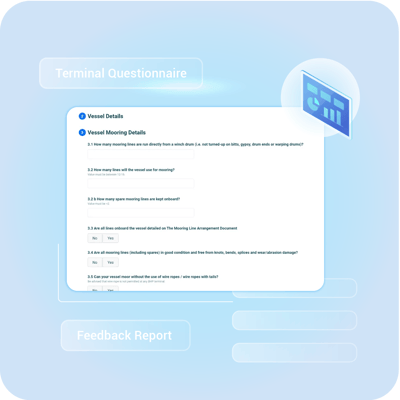
Terminal Feedback & Questionnaires

Integrate terminal reporting alongside every vet to ensure port teams are fully briefed pre-arrival, and follow up with post-operation feedback to build an ongoing knowledge base. 

vetting4-48

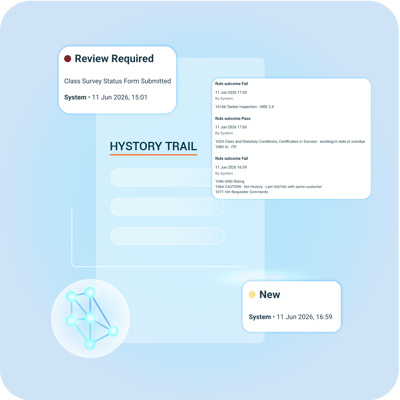
Auditable and Accessible Reports

All vetting outcomes are securely stored within your RightShip account and cannot be altered unless a new vetting request is placed, ensuring full visibility and auditability. 


The Maritime Industry, in Their Own Words

"RightShip is highly valued for the professionalism, responsiveness, and consistent support provided by the team. The platform remains an important tool for promoting safety, transparency, and continuous improvement across the maritime industry. We particularly value the prompt communication, cooperative approach during inspections and reviews, and the willingness of staff to provide guidance and clarification whenever needed."

Sea Traders SA

"RightShip remains the gold standard for maritime risk assessment and safety benchmarking. Their comprehensive vetting platform and rigorous inspection framework have significantly raised the bar for global ship operations. By providing transparent data on vessel condition, crew welfare, and operational history, they actively help managers mitigate risk and ensure safety is never compromised."

Pacific Ship Management Co. Ltd.


“RightShip has supported us to vet various LNG carriers calling at our floating storage and regasification unit (FSRU) terminals, screening the various incident databases, Port State Control (PSC) deficiencies, and detentions, as well as the flag and class status of vessels.  This all serves to provide us with a more holistic risk picture, which helps us greatly in our screening process. The platform is very user friendly, intuitive and I particularly like the Safety Score feature.”

BW Group

Frequently Asked Questions

How is RightShip's vessel vetting service different from an internal vet?

RightShip provides independent, third-party assessments conducted by an experienced vetting superintendent team. Unlike internal vetting teams, our experts have no commercial stake in the outcome, allowing them to provide objective and unbiased recommendations.

Every assessment is also grounded in RightShip’s Standard Vetting Baseline Criteria, which reflect the minimum recommended international benchmarks for safety, compliance, and sustainability in the maritime sector. 

Can RightShip accommodate specific risk requirements in the vetting process? Yes. Our platform is designed to accommodate the unique risk profiles of each customer. You can customise vessel vetting criteria across metrics, including ESG, crew welfare, sustainability, and safety requirements.
What data is included in a RightShip vessel vetting report?

Each report includes a detailed explanation of any failed criteria and key vessel risk factors: age, DWT, IMO number, GHG rating, and RightShip Safety Score, alongside checks against current sanctions, bans, and crew abandonment registers.

How does the vessel vetting process work?

When you require a pre-fixture vessel screening, you may request a vet on the RightShip platform via your account. 

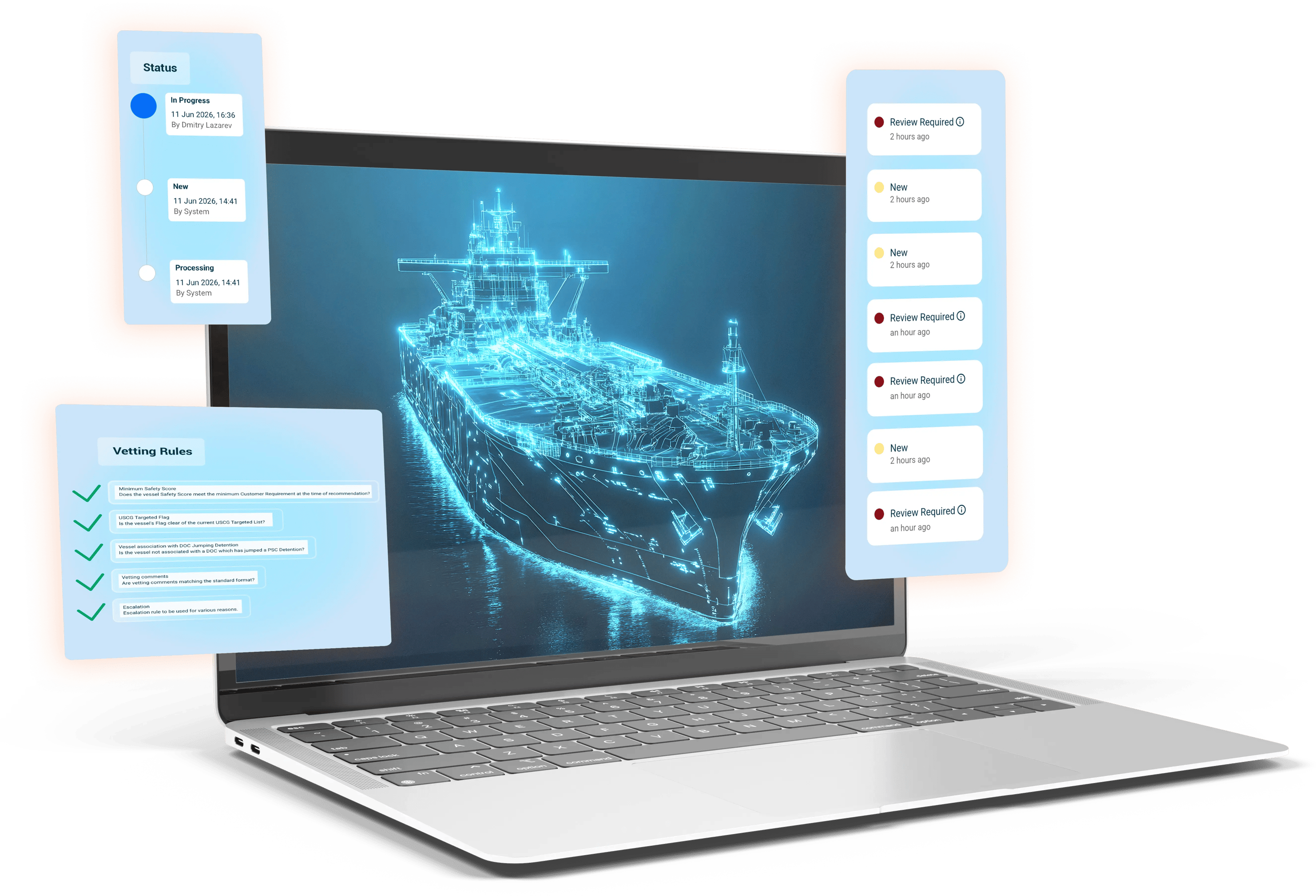
Our sophisticated rules engine will retrieve relevant data from RightShip’s proprietary database, while built-in communication tools automatically request additional information and documentation when required. 

Next, our vetting superintendents apply their extensive operational expertise to review and interpret the findings, providing a clear “acceptable” or “unacceptable” recommendation for the specific vessel and voyage under consideration.

You can track the results of your vet request on the RightShip platform or receive updates via email.

Why are Terminal Questionnaires (TQs) and Feedback Reports (FBRs) needed for vessel vetting?

Terminal Questionnaires (TQs) are used by some terminals as part of their ship scheduling and nomination process. Vessels are required to submit key details before berthing, such as mooring configuration and loading and deballasting rates.

A TQ must be accepted in order for the vessel to gain entry into the terminal. A failed TQ can result in refusal of entry or even rejection in future nominations. 

Feedback Reports (FBRs) are submitted after a vessel has called at port. They provide operational feedback on vessel performance at dry or tanker terminals, which is recorded in the RightShip platform and used as information in future vessel vetting decisions. 

Related Articles

GUIDE2 Landing page header
A Guide for Dry Bulk CharterersRemoving Friction from Vessel Assurance

This guide explores how reducing operational friction in vessel evaluation and assurance processes can help teams move faster while maintaining control over risk and decision quality.

READ MORE → 

Guide-BG-image
A Dry Bulk Charterer’s Practical GuideFrom Fragmented Data to Confident Decisions

This guide outlines practical ways dry bulk charterers can apply trusted data and transparency to screen vessels faster, differentiate risk earlier, and make more defensible chartering decisions.

READ MORE → 
30 April_Promotion Hybrid
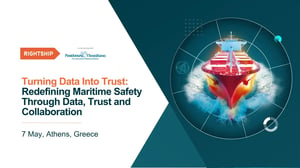
12 May 2026RightShip Greece Forum 2026: Maritime Stakeholders in Focus: Risk, Responsibility and Resilience

Redefining Maritime Safety Through Data, Trust and Collaboration — RightShip's Inaugural Forum in Greece, held in partnership with Posidonia 2026! 

READ MORE → 

Vet With Confidence and Safeguard Your Maritime Supply Chain

Protect your cargo, your crew, and your people with RightShip’s reliable vessel vetting services.