

Understanding the GHG Rating
RightShip rates vessels on a scale from A to E. GHG Rating combines EEXI, EVDI, and EEDI data with a speed-corrected methodology to deliver a fair and consistent benchmark across the global fleet. This enables owners, charterers, financiers, and other stakeholders to make more informed decisions that support decarbonisation across the maritime supply chain.
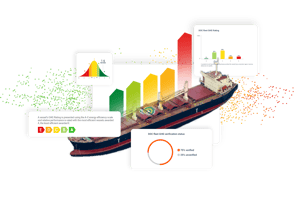
- Trusted Benchmark
- Greater Transparency
- Efficiency Improvements
- Simplified Decisions
- Commercial Outcomes
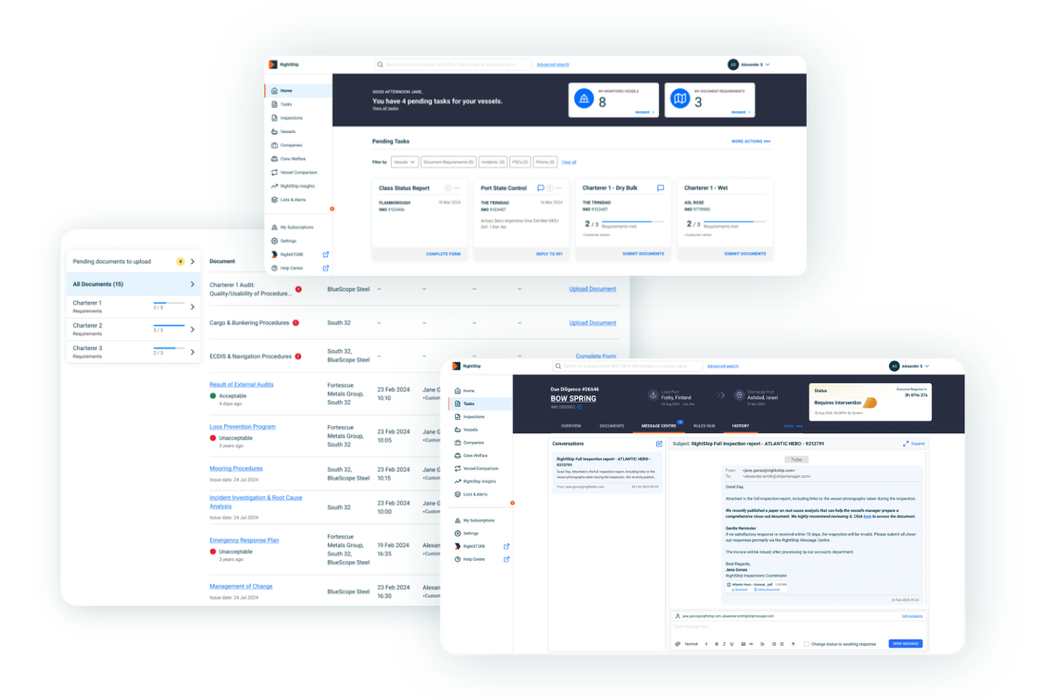
Trusted Industry Benchmark
Recognised across the maritime industry, the GHG Rating provides a common framework for comparing vessel efficiency through an independent and consistent methodology.

Greater Transparency for Stakeholders
A clear A–E rating gives owners, charterers, financiers, and supply chain partners a transparent view of vessel efficiency performance.

Recognition of Efficiency Improvements
Investments in vessel design enhancements, energy-saving technologies, and efficiency upgrades are visibly reflected within the rating, helping organisations demonstrate progress.

Simplified Sustainability Decisions
Complex efficiency and emissions data are translated into a single, easy-to-understand metric that supports vessel selection, fleet planning, and sustainability strategies.

Support Commercial and Investment Outcomes
Consistent benchmarking helps identify more efficient vessels, reduce emissions exposure, and inform chartering, financing, and portfolio management decisions.

Panel 4 at Turning Data Into Trust: Redefining Maritime Safety Through Data, Trust and Collaboration — RightShip's Inaugural Forum in Greece, held in partnership with Posidonia 2026!
READ MORE →
Opening Panel at Turning Data Into Trust: Redefining Maritime Safety Through Data, Trust and Collaboration — RightShip's Inaugural Forum in Greece, held in partnership with Posidonia 2026!
READ MORE →

Commissioned by RightShip, this report examines the gap between industry ambitions on safety, sustainability, and crew welfare, and the realities of everyday commercial decision-making.
READ MORE →